

If you are planning to move to Germany for studies or work, learning German is not optional anymore. It plays a key role in your visa process, university admission, job interviews, and daily life. While many people see German as a difficult language, the real challenge is not the language itself, but learning it the wrong way.
Many students start learning German on their own using videos or apps. After a few weeks, they often feel stuck with grammar rules and sentence formation. Progress slows down, confidence drops, and deadlines move closer. This is where structured learning becomes important.
In this guide, we explain how to learn German fast and correctly. You will understand the German language levels, timelines, grammar basics, speaking methods, and how to prepare for real-life situations in Germany.
Step 1: Understand German Language Levels and Timelines
German follows the CEFR framework, which divides the language into clear levels from A1 to C1. Each level serves a specific purpose, especially for students and professionals planning to move to Germany.
What Each Level Means
- A1 and A2 (Beginner Levels)
These levels focus on basic communication. Learners understand greetings, simple sentences, and everyday conversations. A1 and A2 are commonly required for visa applications, au pair programs, and initial integration. - B1 and B2 (Intermediate to Advanced Levels)
These levels are required for Studienkolleg, public universities, and most jobs. Learners can explain ideas, write emails, understand instructions, and take part in professional discussions.
How Long Does It Take to Learn German?
The learning time depends on your method and consistency.
- A1 to A2 usually takes 3 to 4 months
- A2 to B1 takes 4 to 5 months
- B1 to B2 takes 5 to 6 months
Self-study often takes longer due to lack of structure and speaking practice. For learners with visa or university deadlines, joining a structured German language course online helps complete levels faster and more confidently.
Step 2: Master Grammar and Vocabulary the Smart Way
German grammar looks complex at first, but it is based on clear rules. Once you understand the logic, grammar becomes predictable and easier to apply.
German Grammar Basics Made Simple
German sentences follow a fixed structure, especially with verbs. Even when the sentence starts with a time word like “today” or “tomorrow,” the verb rule stays consistent. Learning these basics early helps avoid confusion later.
Vocabulary That Actually Matters
Instead of memorizing long word lists, learners should focus on practical vocabulary.
Important vocabulary areas include:
- University and classroom terms
- Office and professional language
- Travel, housing, and daily life words
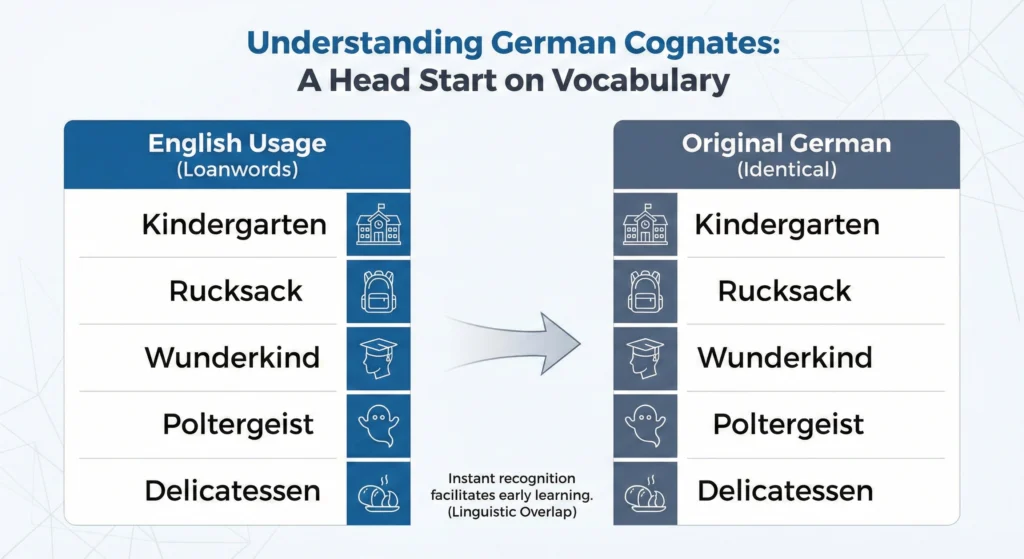
For beginners, this method builds confidence faster. Many German words are also similar to English, such as seminar, professor, diploma, and kindergarten. These familiar words help learners feel comfortable from the start.
Step 3: Speaking and Pronunciation for Real Situations
Understanding German is important, but speaking German clearly is essential for interviews and daily communication. Many learners wait too long before speaking because they fear making mistakes.
How to Build Speaking Confidence
- Start speaking from the first week
- Practice with a trainer, not just recordings
- Accept mistakes as part of learning
Speaking-focused practice helps learners improve pronunciation, sentence flow, and confidence.
Pronunciation Tips for Beginners
English speakers often struggle with sounds like:
- Ä, Ö, Ü (Umlauts)
- “ch” sound
- Word stress and rhythm
Regular listening and guided speaking help overcome these challenges.
Learning daily German phrases for travel also makes the first days in Germany easier. Simple phrases used at registration offices, train stations, and supermarkets help learners feel independent and confident.
Step 4: Choose the Right Learning Method
Many learners ask what the easiest way to learn German language at home is. The answer is not memorization, but guided learning with structure and support.
Why Structured Learning Works Better
- Fixed learning schedule
- Regular speaking practice
- Clear grammar explanations
- Exam-focused preparation
Live online classes combine flexibility with discipline. Learners progress faster, stay motivated, and prepare confidently for exams and interviews.
Conclusion: German Is Your Gateway to Germany
Moving to Germany is a big step, and language plays a central role in your success. German is not just a subject; it is the bridge between your plans and real opportunities.
Learning without structure can delay your visa, admission, or job process. With strict timelines, slow learning creates unnecessary stress.
Konversa Global helps learners master German through structured levels, live online classes, speaking-focused practice, and exam preparation. Learners also receive guidance related to study abroad and career planning.
If you plan to study or work in Germany in 2026, starting early gives you a strong advantage. With the right support and consistent effort, learning German becomes faster, clearer, and more confident.
Frequently Asked Questions
What is the easiest way to learn German at home?
The easiest way is joining a live online German course with a structured syllabus and regular trainer interaction.
Is German required for all jobs in Germany?
While some international roles use English, German significantly increases job opportunities and long-term career growth.
Where should beginners start learning German?
Beginners should start with pronunciation, alphabet, greetings, and basic sentence structure before moving to grammar and speaking.