Study in Germany
with Zero Tuition Fees
Germany's public universities charge no tuition fees for Bachelor's and Master's programs. Add an 18-month post-study work visa and Europe's strongest job market — and you have the best study abroad destination for Indian students.
€0
Public Tuition Fees18 Mo
Job Seeker Visa#3
Global Economy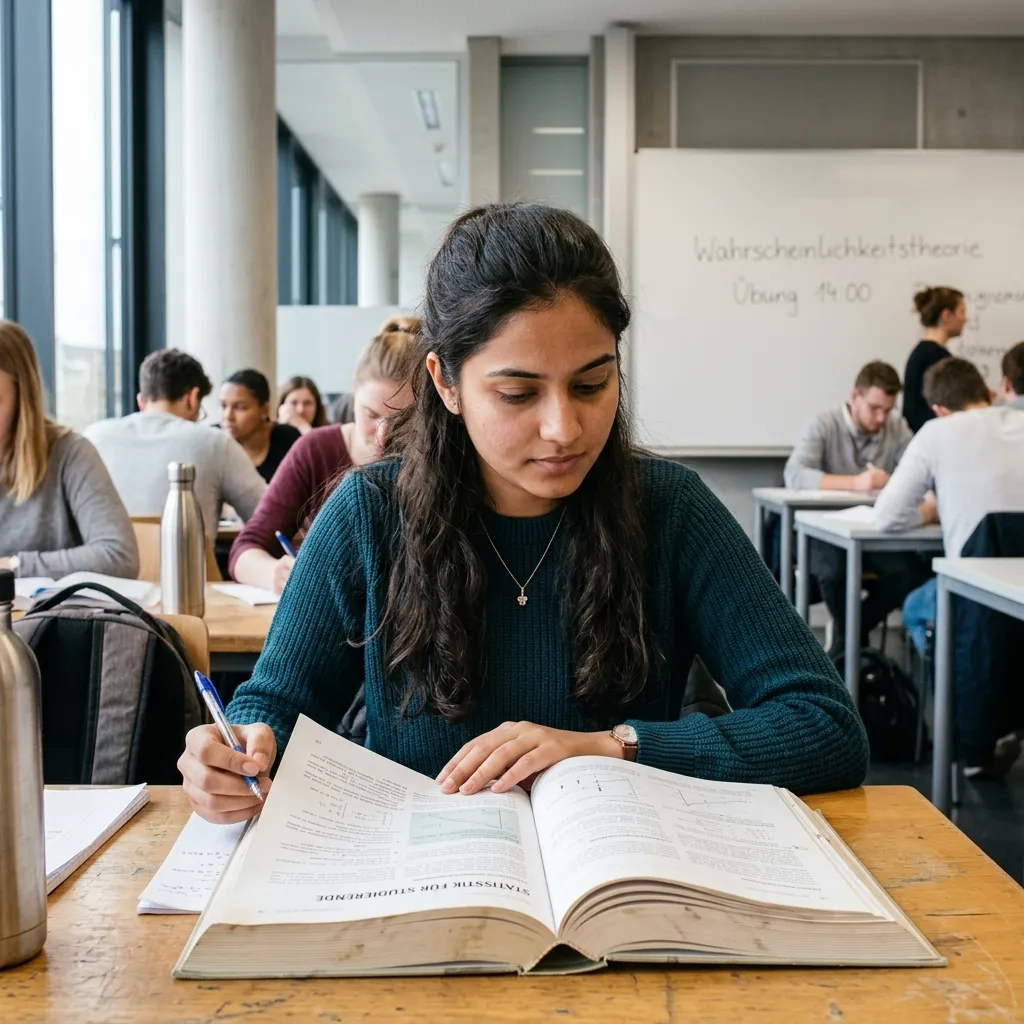
Why Study in Germany?
Germany is the most popular non-English speaking study destination in the world — and for good reason. Free tuition, strong industry ties, and the easiest PR route in Europe.
No Tuition Fees at Public Universities
Unlike the US or UK where student loans run into lakhs, most German public universities charge zero tuition. You only pay a semester contribution of €150–€350 — which usually includes a free public transport pass for the entire city.
18-Month Post-Study Work Visa
After graduation, Germany gives you an 18-month job seeker visa to find work. Once you land a job in your field of study, you can apply for the EU Blue Card — Germany's fast-track path to permanent residency.
Home to SAP, Siemens, BMW & Bosch
Germany's economy runs on engineering and innovation. Companies like SAP, Siemens, BMW, and thousands of mid-sized Mittelstand firms actively hire international graduates. Your German degree connects you directly to these employers.
Part-Time Work While Studying
International students in Germany can legally work 140 full days (or 280 half days) per year. With a strong minimum wage, part-time jobs and Werkstudent positions help you cover a big part of your living expenses.
Travel Across 27 European Countries
Your German student residence permit doubles as a Schengen visa. Travel freely across 27 European countries on weekends and semester breaks — no extra visa needed.
Safe Country, Strong Economy
Germany has one of the highest quality of life rankings in the world. Clean cities, reliable public transport, affordable healthcare, and a stable economy make it an ideal place to live and study.
What Germany costs compared to other countries
Tuition plus living costs for the full course. Each country is counted at its usual course length.
43,000 to 52,000 EUR
Typical first-year gross salary in Germany after a Master’s.
Less than half a percent
The Standard package (₹49,999) compared with the typical US total.
Estimates, not exact numbers
Typical totals are estimates for planning. Your own numbers depend on city and university.
Blocked Account for Germany: How It Works
German public universities are tuition-free, but you need to show that you can support yourself financially. This is done through a Blocked Account (Sperrkonto) — a regulated bank account required for your student visa application.
Before your visa interview, you deposit €11,208 into this account (through providers like Fintiba or Coracle). Once you arrive in Germany, you can withdraw up to €934 per month to cover rent, groceries, and insurance. We handle the complete blocked account setup for you.
Student Housing (WG/Dorm)
€300 - €550 per month
Groceries & Connectivity
€200 - €250 per month
Public Health Insurance (TK/AOK)
€110 - €120 per month

India vs Germany: Education & Cost Comparison
A comprehensive breakdown of the core differences between studying in India versus Germany.
Career Growth: India vs Germany
See how a German degree significantly accelerates your earning potential over a 5-year period.
Field-Wise Growth Opportunities
Whether it’s engineering, healthcare, IT, or business, studying in Germany offers stronger career outcomes, higher salaries, and global opportunities compared to India.
Top Fields to Study in Germany
Discover the most popular and highly-demanded academic programs for international students.
Mechanical & Automotive Engineering
Germany is the global hub for engineering, home to BMW, VW, and Mercedes.
Computer Science & IT
High demand for software developers with lucrative starting salaries.
Business Management
Excellent MBA programs with strong industry connections across Europe.
Renewable Energy
Pioneering programs in green tech and sustainable engineering.

How to Study in Germany from India
The German application process has multiple steps that confuse most students. Here's exactly how we manage each one for you.
APS Certification
Indian students must get their academic documents verified by the APS (Academic Evaluation Centre) before applying to any German university. We handle notarization, document preparation, and submission so your APS certificate comes through without delays.
Uni-Assist Application
Most German universities require applications through Uni-Assist, which converts your Indian grades to the German grading scale. We prepare your application, upload documents, and file everything before the deadline.
Blocked Account & Insurance
Once you receive your admission letter, we help you open a blocked account (Fintiba or Coracle) and enroll in German public health insurance (TK or AOK) — both required before your visa appointment.
Visa Filing & Interview Prep
We compile your complete visa file, book your VFS Global appointment, and run mock interviews so you walk into the embassy fully prepared. Our visa approval rate for Germany is 98%.
Frequently Asked Questions
Expert insights into German higher education and living.
What is an APS Certificate and do I need it?
Are German public universities really free for Indian students?
How hard is it to get permanent residency (PR) in Germany?
What is a Blocked Account (Sperrkonto)?
Do I need to know German if my course is taught in English?
Can I work part-time while studying in Germany?
Get Free Counseling for Studying in Germany
Talk to our Germany education experts. We'll evaluate your profile, suggest the best universities, and create a full admission + visa timeline — completely free.
- In-depth profile & German grade conversion
- TU9 & Public University admission strategies
- Complete APS & Uni-Assist management
- End-to-end VFS visa guidance